The office as a status symbol: who still needs it?
For decades, the office was an icon of power and business success. Today, does it still make sense to maintain it as a symbol of status? Or has it become more of a cost than a value?
The Office as a Status Symbol Is Becoming Obsolete
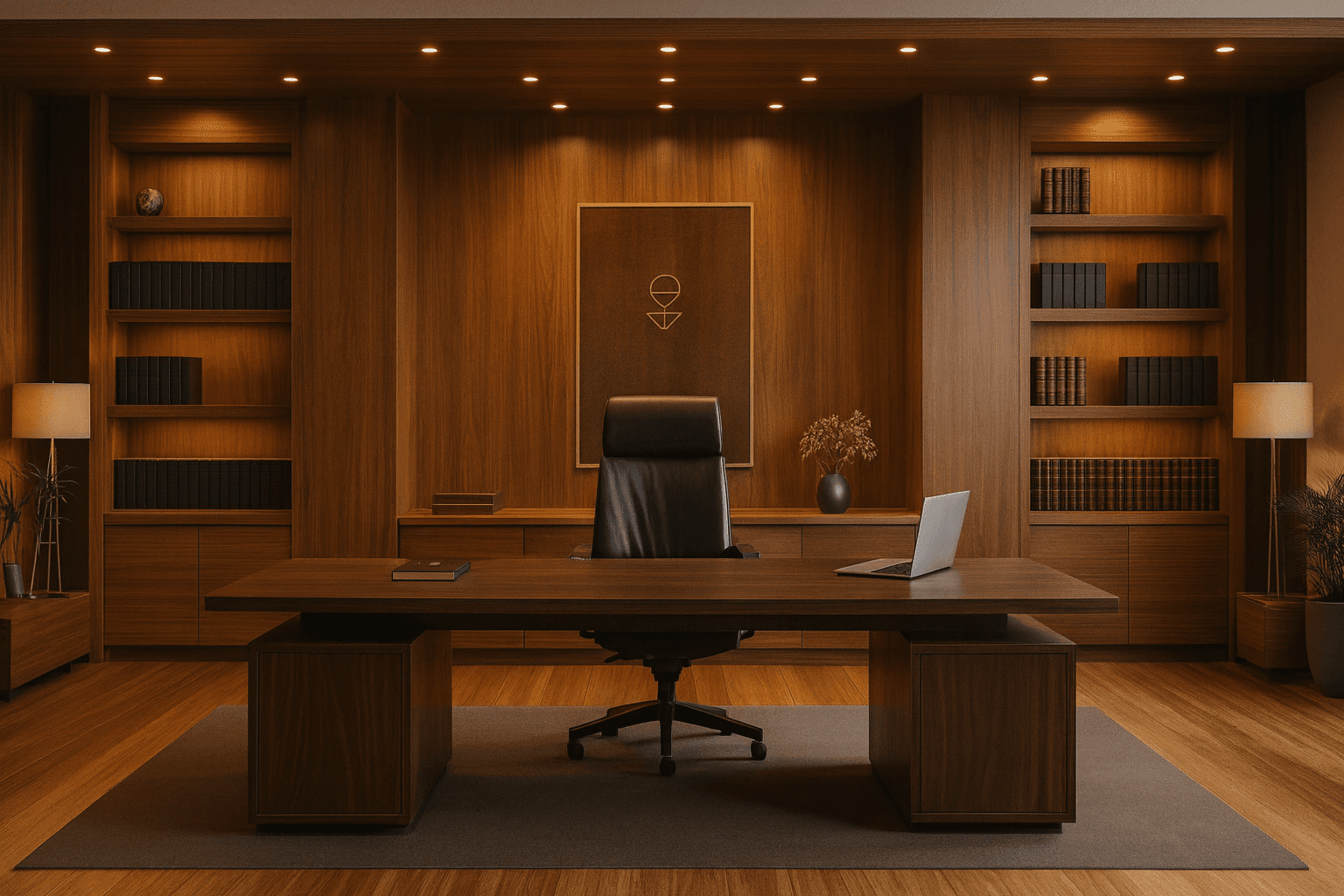
In many markets, the office was always more than just a workspace. It was a power statement: entire floors in the financial district, pristine receptions, conference rooms with city views. The office wasn't just a place to work. It was a message: we're here, we're big, we're solid.
But that message, which once inspired confidence, is now being viewed through a different lens: Does it really symbolize success? Or does it symbolize rigidity, unnecessary expense, and disconnect from your team's reality?
Status for Whom?
Maintaining offices as a status symbol may still have value, but the question is: for whom?
-
For some investors: a visible physical space still conveys stability.
-
For certain clients: meeting in a luxury office can make an initial impact.
-
For traditional leaders: the office represents control, presence, hierarchy.
However, these groups are shrinking. And on the other side, what do employees perceive? Often the opposite: long commutes, inflexible schedules, expenses that don't translate into benefits for them.
The Hidden Cost of the Symbol
The problem with using the office as a status symbol isn't just cultural—it's economic.
Maintaining square footage that sits empty or underutilized is a massive investment that could go toward what actually builds loyalty today: wellbeing, flexibility, development.
When a company chooses to maintain offices for image, it's paying for a postcard that may not resonate with either its people or its clients.
The status it once built can now create friction: Why spend millions on real estate when you could invest in your team?
What Shifted in Talent Perception
For new generations, the office as a symbol holds little emotional value.
A luxury workspace doesn't compensate for lack of flexibility. A desk of your own doesn't outweigh the ability to work near home.
In fact, many employees see empty offices as a reminder of out-of-touch decisions: investment in square footage, but not in more human work experiences.
Real status, for them, lies elsewhere: in having a choice, in feeling heard, in the company investing in what impacts their daily lives.
What Replaced the Office's Status?
Today, prestige doesn't come from having a floor in a prime downtown location. Prestige comes from showing that your company gets the times.
-
Flexibility as a real benefit: giving options to each person.
-
Solid distributed culture: belonging beyond physical space.
-
Smart resource allocation: efficiency that frees up budget to invest in talent.
-
Real impact on employees' lives: benefits that make a difference.
That's the new status: being a company that doesn't need buildings to prove its worth.
So, Who Still Needs It?
The office as a status symbol still has its audience: certain markets, some industries, a handful of leaders comfortable with the old playbook.
But for most employees and for many forward-thinking companies, it's no longer a sign of success—it's a sign of being behind the times.
The office remains valuable if thought of as a space for meeting, collaboration, or focus. But not as a trophy.
The real status today isn't in office size—it's in the ability to design meaningful work experiences.
A successful company isn't measured by how many square feet it occupies. It's measured by how well it works, how it takes care of its people, and how intentionally it invests.
The office as a symbol is fading. The new symbol is flexibility.